


1. Date the two stages and the rules change
The September KC Cup Top 100 archive has 88 distinct rank markers, not 100 verified published decks. Keep missing positions and duplicate submissions explicit when comparing the standings.
The report dated September 25 and updated September 26 records Stage 1 from September 7 to 21. Stage 2 ran September 18 to 21 after reaching DLv. 20. September introduced Stage 1 without demotion at any DLv. To compare this event with an earlier Cup, record when its climb rules changed and keep the Stage 2 results in their own sample.
| Question to check | How to decide |
|---|---|
| Rank 1–3 | Use the dated published names, not a later live leaderboard. |
| 88 named ranks | Twelve rank positions are not listed; keep them unknown. |
| Multiple submitted lists | Count one rank once in a rank-share, separate from deck-submission share. |
2. Identify the first three global positions
The published list labels Snyffus first, Urushihara second and よう、 third. Use each player’s entry to inspect the public lists associated with the finish. Record the displayed rank once per player even when a player includes several lists. An additional deck entry gives another build to inspect and still belongs to the same finish.
| Global rank | Displayed player |
|---|---|
| 1 | Snyffus |
| 2 | Urushihara |
| 3 | よう、 |
3. Count rank positions before comparing deck choices
For example, if a player at one rank shared two builds of the same archetype, count the archetype once for a rank-based share. If counting submitted builds, record both builds. Mark the unlisted positions as unknown before describing the whole top 100.
The archived report contains 88 distinct labeled global ranks between 1 and 100. That leaves 12 positions without an entry in the public table. One rank can contain more than one deck. Keep both the number of ranks and the number of deck lists you actually coded. When computing a share, use the denominator that matches the question and specify how you treated missing lists.
4. Read a submitted deck as a case study
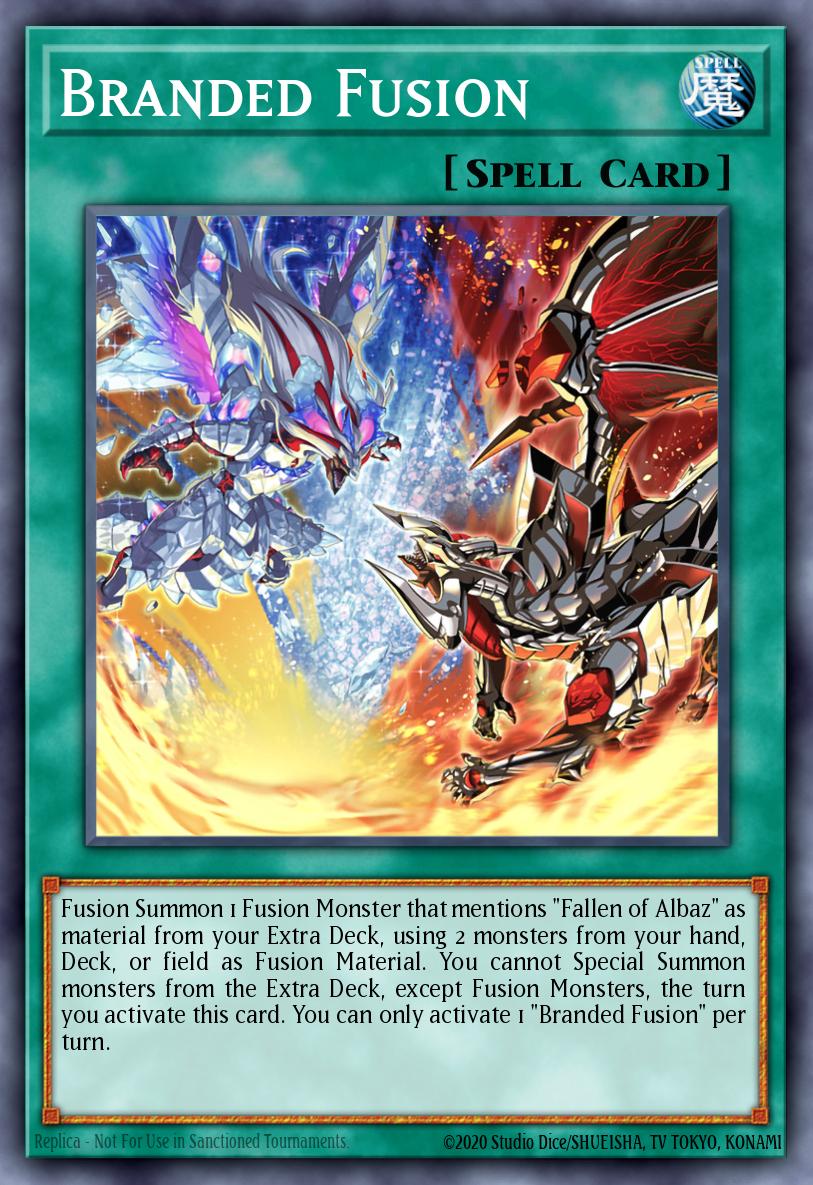
Urushihara’s Branded submission gives one list associated with the second-place finish. Open it and record the Skill, the cards that start the first Fusion and one card kept to recover next turn. In a practice duel, use the same opening with a different opposing monster. This reveals which choice in the list was doing useful work in that specific position.
5. Carry the method into the next KC Cup
For a later comparison, write the dates, card limits, Stage 1 rules, observed Stage 2 ranks and source capture time for each event. Use public climbing lists to practice and the ranked finish table to describe who placed. Keep rank coverage visible beside any archetype count you compute. A larger number of submissions can change the apparent share even if the top few placements stay similar.
- Save the September stage dates and rule snapshot next to all figures.
- Check a published deck against the September limits, not November.
- Report the number of missing positions with any archetype percentage.