

Full Skill effect
Check activation conditions, resolution order and usage limits.
Teacherly Discipline
Can be used each time your Life Points decrease by 1500. Declare a Monster, Spell or Trap Card. That type of card will be randomly selected from your opponent's Deck and placed on top of their Deck. Neither player will see what the card is. Nothing will be placed on top of your opponent's Deck if the declared card type is not in their Deck.
1. The LP decrease opens a type declaration
Each 1,500 LP decrease enables Teacherly Discipline to declare Monster, Spell or Trap for a random card of that type. A fall from 4,000 to 2,500 meets the decrease without the Skill charging another 1,500. Check client timing before expecting another use, and choose the type around the threats your current board can answer.
| Field | Value |
|---|---|
| Format | Duel Links Speed Duel |
| Character | Dr. Vellian Crowler |
| How to obtain | Character drop. |
2. The exact card remains hidden on the opposing Deck
The selected card moves to the opponent’s Deck top without either player seeing its name. If no card of that type is present, none is placed. Shuffles, other top-deck changes or replacement draws can alter the expected result. Update the plan after such effects instead of assuming the original top card remains there.
3. A useful declaration depends on possible strong outcomes
Declaring Trap may help when the opponent lacks monsters and you can handle back row, provided their Deck has one. It can also supply their best answer to your threat. Consider a strong and weak candidate within the declared type before committing, assessing both the current board and the following turn.
4. Golem’s battle restriction starts only when attacking
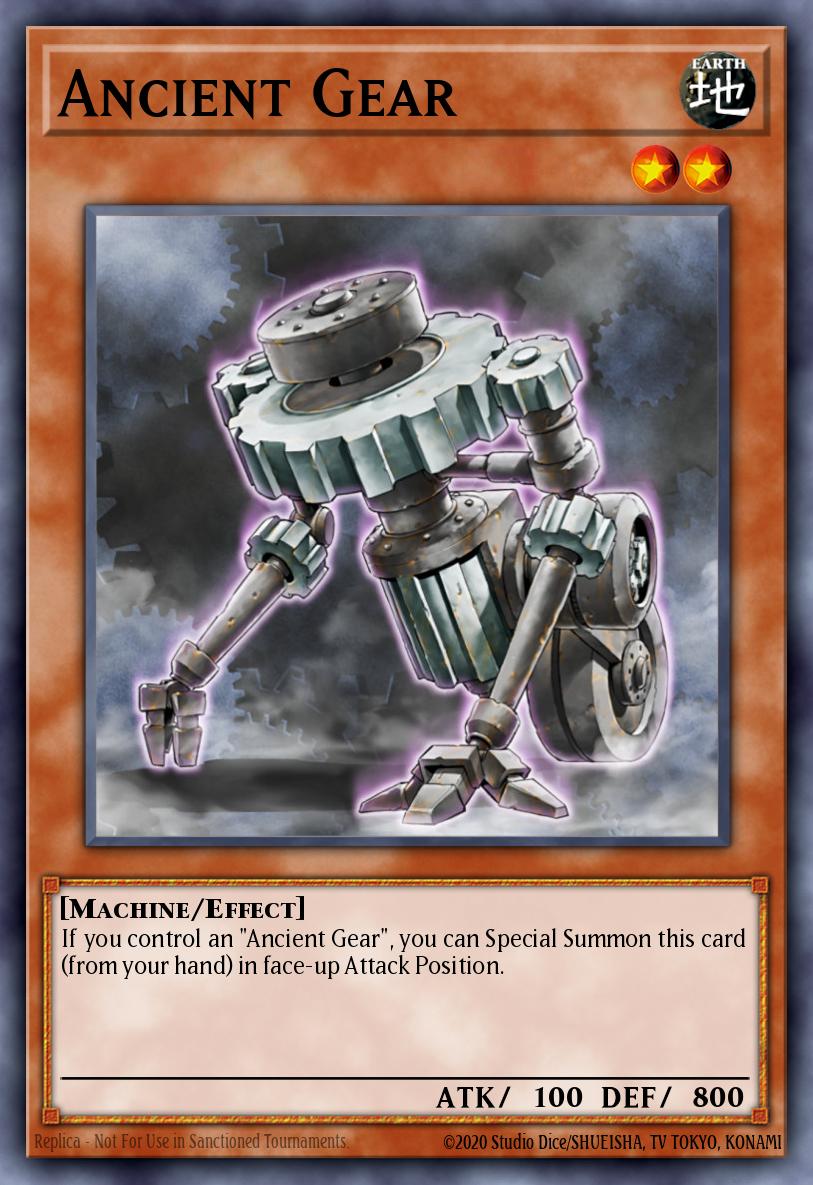
Ancient Gear Golem prevents opposing Spell and Trap activations from its attack declaration through Damage Step end. Eligible cards can still be used earlier. Preserve Golem against Main Phase interaction if its attack is your win condition. The declared top-card type gives no protection from an opponent acting before that battle window.
5. Prepare an answer without assuming a specific name
After declaring Monster, prepare for a summoned body. After Spell, check which response can stop a legal activation. In either case, preserve a playable line if that type was absent entirely. A hidden random selection narrows what might come next without providing enough information to plan around one exact opposing card.
6. Revise the plan when the card finally moves
Track intervening changes to Deck order before the opponent draws. Use the card actually revealed, summoned or activated to revise the intended response. The type declaration remains a planning clue while the name stays hidden, and the resulting action may differ from the one your initial board was designed to handle.