

From Duelist Kingdom to Battle City, this is an in-depth DM World guide covering history, characters, Speed Duel rules, Gate Keys, Stage Missions, Deck strategy, a seven-day learning plan and FAQs. Each illustration appears beside the relevant chapter.
1. What exactly is DM World?
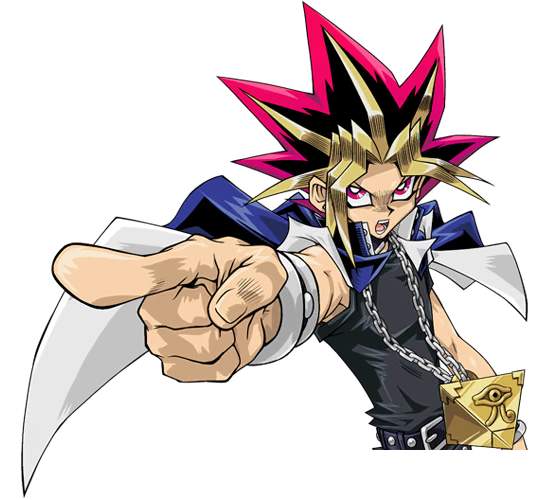
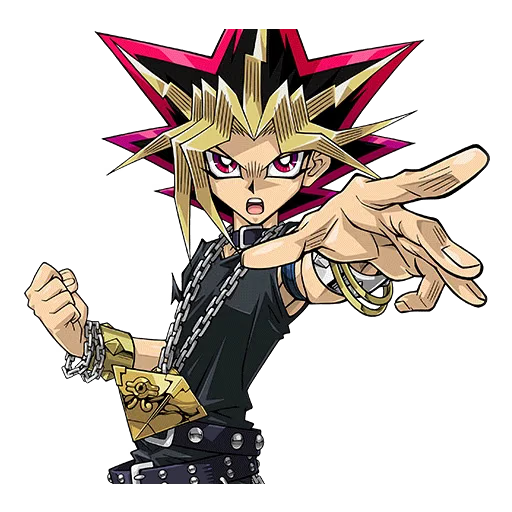
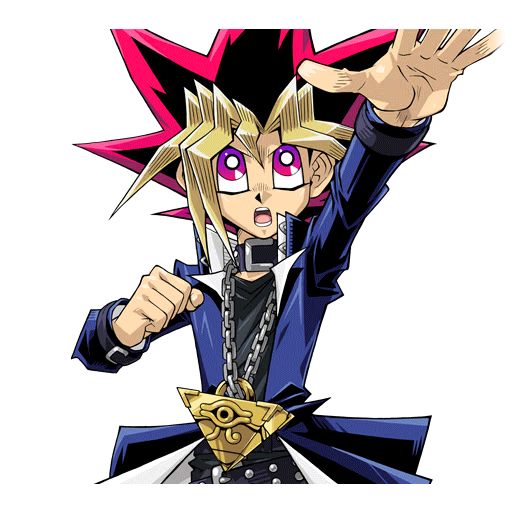
DM stands for Duel Monsters, the original Yu-Gi-Oh! world featured in Duel Links. It brings together Yugi Muto and Pharaoh Atem, Seto Kaiba's determination to defeat his rival, and Joey Wheeler's growth from an inexperienced player into a confident Duelist. Those familiar stories become playable character routes, each with its own Skills, levels, missions and signature cards. If you are new to Duel Links, this world provides a natural place to learn the game's foundations.
DM World does not replay every anime episode. Instead, it connects several game systems: Standard Duelists let you practise, Stage Missions unlock activities, the Gate hosts challenges against Legendary Duelists, and the Shop offers cards to collect. Character levels and world Stages also progress separately. Understanding which system controls each reward helps you avoid spending Gems unnecessarily or waiting for the wrong unlock.
The DM world uses the Speed Duel mode, not the separate Rush Duel card pool introduced with later anime worlds. A memorable anime play is therefore a theme to investigate, not proof that its cards are currently available, that a Skill has the same wording, or that a Deck will perform well against today’s opponents.
| Item | DM World at a glance |
|---|---|
| Series | Yu-Gi-Oh! Duel Monsters |
| Core format | Speed Duel |
| Japanese launch | 17 November 2016 (historical rollout) |
| Global rollout | 11 January 2017 (international launch) |
| Key activities | Stage Missions · Gate · Standard Duelists · Character Levels · Skills |
| Characters | KONAMI’s DM series directory lists 29 main character names in the reviewed edition; variant outfits appear separately |
| Stage milestone | Stage 60 is a commonly documented historical checkpoint; verify the current client instead of treating it as a permanent cap |
2. Release history and why the original world still matters
Duel Links first became available in Japan in November 2016 and began its worldwide rollout in January 2017. The original DM environment established the pattern still recognizable in the application: select a character, complete world objectives, earn new cards, and advance toward stronger challenges. It also demonstrated how traditional Yu-Gi-Oh! effects could work within a smaller, faster mobile field.
In March 2026, KONAMI also introduced Character Deck Duel, a PvP mode that uses fixed character-themed cards and Skills and lets players earn and customise character Decks according to the game’s conditions. Yami Yugi, DM Seto Kaiba and DM Joey Wheeler were three of the first nine featured characters. This is a contemporary addition to the broader game, not a replacement for DM World progression or a promise of free unrestricted Decks.
- Historical data and current availability are different questions: a release date remains fixed, while events, character variants and rewards can change.
- Do not confuse a new character costume or Character Deck with a newly created Duel World.
- When a newer mechanic appears in DM, check the current card text and Skill conditions instead of applying old 2017 guides word for word.
3. Story connections: Duelist Kingdom, Battle City and the Pharaoh
The original series provides several major story pillars. Duelist Kingdom introduces Pegasus, the idea of winning through invention, and opponents such as Mai, Weevil and Rex. Battle City raises the stakes through Kaiba’s tournament, the Rare Hunters and the conflict surrounding the Ishtar family and the Egyptian God Cards. Yugi’s relationship with the Pharaoh and the Millennium Items gives those rivalries their emotional stakes.
Duel Links does not present these arcs as a single chronological novel. Characters show up through the world roster, missions, cutscenes, dialogue and time-limited events. Pegasus evokes Toon and Relinquished strategies; Marik and Yami Marik bring a very different style of control; Bakura and Ishizu connect DM to occult and Gravekeeper themes. Learning the character’s signature play pattern is often more useful for a Duel than trying to reconstruct a particular episode.
For readers interested in the narrative, start by tracing three pairs: Yugi and Kaiba as rivalry and mutual respect, Yugi and Joey as friendship and growth, and the Ishtar family as a story about the ancient Pharaoh and responsibility. Then open the corresponding character profiles and cards. This avoids conflating multiple anime incarnations with similarly named playable versions in Duel Links.
| Anime motif | Characters or cards to explore | In-game learning theme |
|---|---|---|
| Millennium Puzzle & the Pharaoh | Yugi Muto · Yami Yugi · Dark Magician | Spell timing and identity-based Skills |
| Blue-Eyes rivalry | Seto Kaiba · Blue-Eyes White Dragon | Resource management around high-ATK threats |
| Friendship and growth | Joey Wheeler · Red-Eyes Black Dragon | Attack sequencing and follow-up plays |
| Duelist Kingdom | Pegasus · Mai · Weevil | Toon tools, Harpies and Insect themes |
| Battle City | Yami Marik · Ishizu · Odion | Control, Graveyard and Trap interactions |
4. How DM progression works: three separate tracks
World Stage measures your completion of Stage Missions. It is not your Duelist’s character level, and it is not the number shown beside a Gate encounter. Stage Missions ask for specific objectives and can unlock new activities or additional Legendary Duelists. You should inspect the actual requirement and reward in the current mission panel rather than assuming that any duel advances the Stage.
Character Level belongs to the Duelist you currently control. Dueling earns experience, and leveling can provide cards and Skills. Changing from Yami Yugi to Kaiba changes the character being trained, but it does not erase the entire DM World’s Stage history. This distinction is particularly important when a guide says to "reach a level" without saying whether it means the character or the world.
The Gate is a separate way to challenge Legendary Duelists. It normally spends colored Gate Keys, which are obtained through Duel rewards or other game activities. A Gate encounter is useful for practice and certain rewards; spending Keys does not automatically grant every character unlock. Character Unlock Missions, where present, remain their own requirements.
| Progress track | What changes | Typical action |
|---|---|---|
| DM World Stage | World missions and access to activities | Complete the named Stage Missions |
| Character Level | Individual Duelist rewards and Skills | Play as that Duelist to earn XP |
| Gate / Gate Keys | Challenge Legendary Duelists | Collect and spend the required Keys |
| Event progress | Time-limited event rewards or unlocks | Follow the current event notice |
5. Missions, Gate Keys, Standard Duelists and efficient daily play
A practical daily loop begins by checking the World Stage panel. Identify which mission is actually unfinished and whether it requires a certain type of summon, a particular character, or a battle result. If it can be completed against a Standard Duelist, that may be more resource-efficient than spending Gate Keys. Only enter a specific Gate encounter when the mission or reward warrants it.
Standard Duelists reappear over time. KONAMI’s introduction also explains that Duel Orbs can refresh the available Standard Duelists immediately when you choose to use them. That makes Orbs a convenience resource, not something that must be spent as soon as the interface offers the option. The best time to use one depends on how many goals the next batch of duels will complete.
The Gate is ideal for controlled practice. You know the opponent’s theme in advance, so you can test a particular interaction: for example, whether a Trap resolves at the expected moment or whether a boss monster can still be removed after you spend a protection effect. Keep a short battle log: starting hand, first Summon, the opponent’s threatening card, and what you would change next time.
- Step 1 — Open the mission panel and read the exact unmet objective, not merely the Stage number.
- Step 2 — Choose a Duelist whose level rewards or Skill you are actively studying.
- Step 3 — Complete Standard Duelist missions that do not require Gate resources.
- Step 4 — Spend Gate Keys deliberately on the required Legendary Duelist or a matchup you want to practice.
- Step 5 — Review the rewards, then save Gems until you know which missing cards matter to a full Deck.
6. Detailed DM character guide: who teaches what?
The character you choose affects access to Skills, level-up rewards and the style of the introductory duels. It does not automatically make a card more powerful just because that Duelist used it in the anime. For learning, group characters by the mechanic they introduce: Yami Yugi encourages Spell and Trap timing; Kaiba emphasises large Dragon threats; Joey teaches attack timing and flexible follow-up; Mai points towards Harpie interactions; Pegasus explores Toons and unusual control effects.
KONAMI’s DM series directory contains many additional characters beyond the original trio, including Téa, Yugi Muto, Mako, Weevil, Rex, Ishizu, Odion, both forms of Marik, Yami Bakura, Arkana, the Paradox Brothers, Duke, Solomon, Rebecca, Serenity and other late additions. Unlock requirements and event availability are not uniform. Treat the directory as the character identity list and the current client as the authority for how and when each one is obtained.
| Duelist | Signature identity | Good learning exercise |
|---|---|---|
| Yami Yugi | Dark Magician; Spellcaster | Protect a key Spellcaster and hold a reactive Spell |
| Seto Kaiba | Blue-Eyes White Dragon; Dragons | Balance boss access with small-monster resources |
| Joey Wheeler | Red-Eyes; warrior and luck motifs | Plan combat and a follow-up after removal |
| Mai Valentine | Harpie Lady; Winged Beast | Test back-row removal and tempo |
| Maximillion Pegasus | Toon and Relinquished | Understand Field Spell dependence and pressure |
| Ishizu Ishtar / Odion | Gravekeeper themes / Trap monsters | Observe Graveyard control and Trap timing |
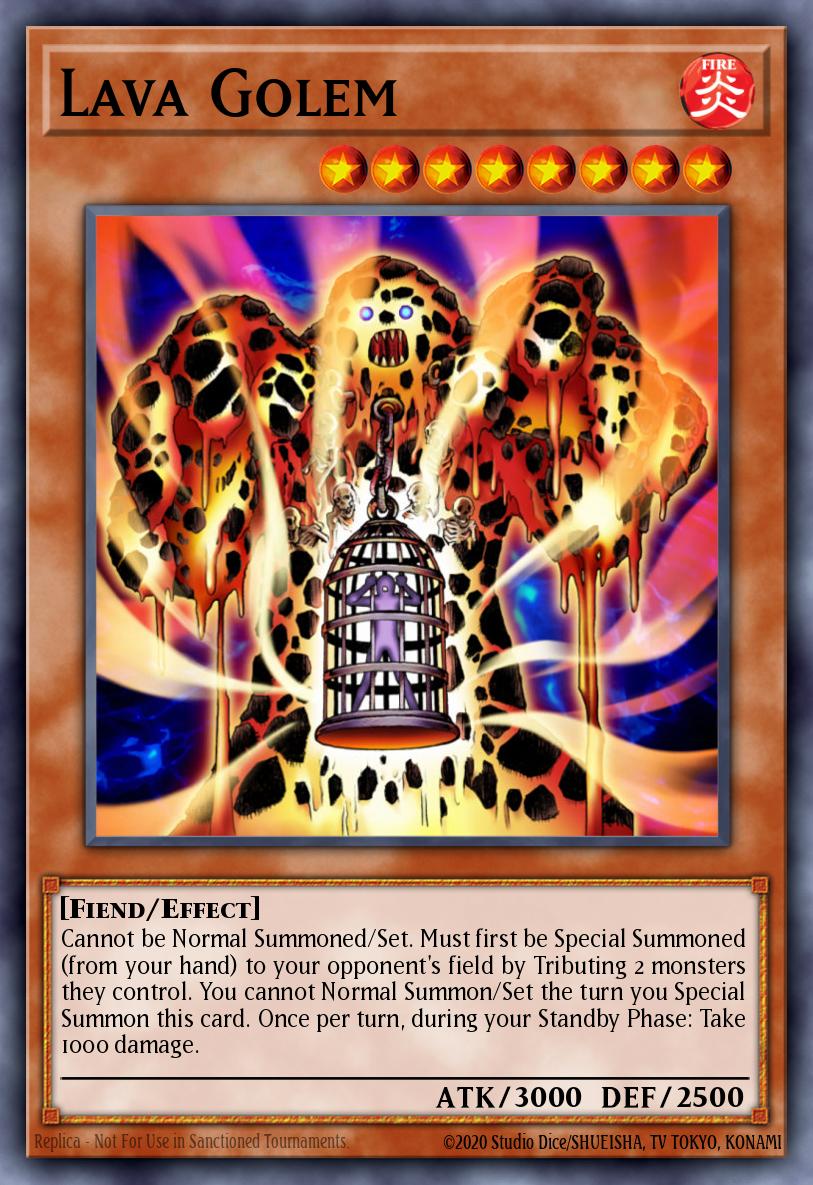
| Yami Marik | Lava Golem and attrition | Track life-point pressure and tribute costs |
| Yami Bakura | Fiend and Zombie | Plan for Graveyard and revival interactions |
| Mako Tsunami | Umi and water strategies | Understand Field Spell synergy |
| Weevil / Rex | Insect / Dinosaur themes | Build simple synergy and attack sequencing |
7. Choosing between Yami Yugi, Kaiba and Joey as a beginner
Pick Yami Yugi if you want to learn how a Spellcaster survives long enough for its Spells and Traps to matter. A Dark Magician-themed build rewards players who think about setup and the opponent’s reaction. The goal is not to summon a famous monster at any cost; it is to create a board that can survive one interruption and still function next turn.
Choose Kaiba if you enjoy clear attack pressure and powerful Dragons. A Blue-Eyes board can be imposing, but opening with multiple high-Level monsters and no reliable way to summon them demonstrates why Deck construction matters. An effective beginner exercise is to count live opening cards and the additional pieces required to make the first major summon legal.
Choose Joey if you prefer aggressive combat planning and flexible themes. Red-Eyes can be used to learn the tension between pushing damage and keeping materials for a follow-up. None of these starting routes is guaranteed to remain the best ranked-ladder choice after a balance update; they are three different ways to learn the game.
- If your hand has a boss but no starter, ask which low-cost search or summon line is missing.
- If you can summon a boss but cannot defend it, reserve one interruption or recovery card.
- If a Skill dictates your Deck contents, read its complete conditions before adding an attractive off-theme card.
8. Signature cards and how to read them intelligently

The printed card effect is the authoritative starting point. Dark Magician is the franchise’s iconic Spellcaster, but the ordinary monster needs surrounding support to perform complex actions. Ask which cards find it, which effects work only while it is present, and what happens when the opponent removes it. Do not confuse the card’s fame with a native effect it does not have.
Blue-Eyes White Dragon represents exceptional basic ATK pressure, but a high-Level monster is not automatically an accessible first move. Identify the summons, searches or alternative ways to place it on the field that are legal in today’s Duel Links card pool. A Deck becomes consistent through its supporting engine, not through adding three copies of every giant Dragon.
Red-Eyes Black Dragon represents a different sort of design space, often linked to alternative monsters and flexible development. The useful question is how many cards a particular line needs, what it accomplishes if the opponent survives, and whether it leaves one reusable resource in hand or Graveyard. When reading Harpie Lady, Toon World or Lava Golem, ask how their interactions differ rather than assuming all nostalgic cards use the same rules.
- Read costs and activation conditions separately from the effect that resolves.
- Track once-per-turn restrictions and whether they attach to a card name, instance or Skill.
- Search for the exact English card name in DuelIndex before assuming that an anime nickname refers to the same legal card.
- Verify current Box, Ticket and event acquisition routes; a card on a promotional image is not proof of ownership.
9. Example analysis: a Blue-Eyes hand that looks strong but cannot play
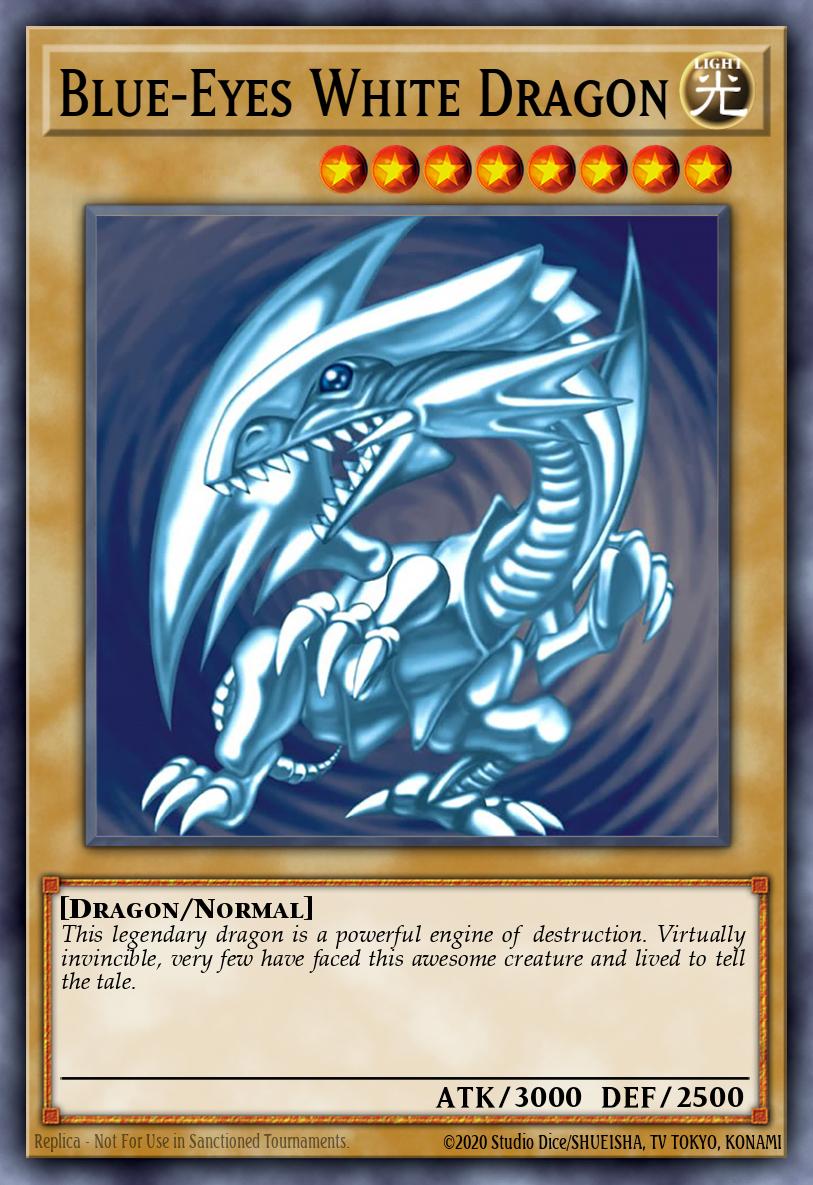
Suppose your opening hand contains two high-Level Dragons, a protection card that needs a monster already on the field, and one unrelated Spell. The artwork looks intimidating, but the hand may be functionally empty. The first lesson is that ATK alone does not make a card a starter. Look for a card that can be played now and creates access to the rest of the hand.
A better testing method is to classify every slot: starter, extender, payoff, interruption or recovery. After ten test hands, record how many contained a usable first action and how many could continue after one opposing interruption. The exact ratios depend on current Skills and card availability, so this guide intentionally does not invent a universal competitive Blue-Eyes decklist.
When building around Kaiba, try reducing the number of cards that are only useful after the combo is already working. Keep one or two ways to interact with the opponent’s board and test how the Deck behaves when going second. The difference between a fun anime reenactment and a coherent Deck is the ability to make a useful decision from an ordinary opening hand.
10. Example analysis: when should Joey attack?

A Red-Eyes-centered match rewards careful battle planning. Before entering the Battle Phase, check the opponent’s set cards, surviving monsters, Life Points and possible response windows. If you spend every resource to place a single attacker on the board, one simple removal may end your turn without a follow-up.
Ask three questions: can I remove the dangerous card before attacking, will I still have a starter next turn, and does the opponent gain a favorable exchange if my monster leaves the field? These questions apply well beyond Joey. You can practice them with Standard Duelists before testing a more expensive list against real players.
Red-Eyes is also a good reminder that Duel Links mechanics and card pools are not identical to the TCG or Master Duel. An online combo may require a monster, Extra Deck option or Skill that does not exist in your current Duel Links configuration. Reconstruct it from verified pieces instead of copying a video headline.
11. Speed Duel rules, field size and why positioning matters
The classic Speed Duel foundation is a 20–30-card Main Deck, 4 cards in the opening hand, 4,000 starting Life Points and three Main Monster Zones plus three Spell/Trap Zones. The first player does not draw on their opening turn. KONAMI’s physical Speed Duel beginner material uses these values and explicitly describes the relationship to Duel Links, but the mobile game’s Extra Deck, Skill and zone interactions have evolved with its own updates. Never blindly copy every physical tournament-specific restriction into the app.
A smaller field changes decision-making. Filling all Monster Zones with low-impact cards can prevent an important additional summon. Filling all back-row slots can block your own next protective card. With only four opening cards, one dead high-Level monster is a larger share of the hand than in a 40-card Master Duel strategy.
Use the schematic below as a teaching image, not as a literal screenshot of a particular 2026 duel or proof of every modern Link/Pendulum zone. When you learn Pendulum or Link mechanics, read the current client’s zone indicators and the effect text of the specific card.
| Basic Speed Duel concept | Beginner implication |
|---|---|
| Main Deck: 20–30 cards | Every dead draw has a noticeable consistency cost |
| Opening hand: 4 cards | Prioritize starters and useful interaction |
| Starting LP: 4,000 | Attack sequencing and protection matter |
| Three main Monster Zones | Leave room for the next summon |
| Three Spell/Trap Zones | Reserve room for reactive cards |
| First player does not draw immediately | Build an opening that can survive without an extra card |
12. Gems, rewards and a sensible free-to-play investment plan
Gems and rare acquisition choices create a long-term budget. Separate four sources before adding them together: one-time World/Character rewards, ordinary repeatable play, event-limited rewards, and promotional giveaways. Do not turn a finite batch of Stage rewards into an imaginary monthly income. The live reward screen is the only reliable way to confirm what your account can claim today.
Choose one primary Deck objective and make a shopping checklist: which cards are absolutely required for the basic engine, which can be substituted, which are already owned, and which are only a small upgrade. Check whether a desired card is obtainable through a Box, Ticket, character reward, event or another supported route. A flashy UR that cannot be used in your current Deck is rarely more valuable than the final card that makes a stable starter line possible.
Character Deck Duel, introduced in 2026, can also be explored as a way to learn character themes and earn its own rewards under the published rules. Its Respect Orbs, grading and Deck customisation are specific to that mode; do not confuse them with ordinary Gate Keys or the Gems in your World Stage panel.
- Beginner budget: first build one coherent Deck, then reserve spare Gems for flexibility.
- Never assume rewards listed by a historical spreadsheet are still repeatable.
- Compare the cost of three missing URs with the improvement they actually provide to your opening hands.
- Check whether the limited-time content you want is still live before committing resources.
13. A seven-day learning roadmap through DM World
The roadmap below is a suggested study routine, not an official seven-day event or a mandatory quest chain. Its purpose is to build repeatable knowledge instead of rushing through the Stage number. If you play only a few minutes a day, extend the plan; if you already know the rules, start with the sections where you still make mistakes.
Record one observable outcome each day. An outcome such as “I can explain why the second Normal Summon line was illegal” is more useful than “I cleared five quests.” Over time, those notes help you notice whether you need more starters, better protection or simply more familiarity with the opponent’s cards.
| Day | Study objective | Success check |
|---|---|---|
| 1 | Read the mission panel and identify World Stage vs Character Level | Explain which activity raises which progression |
| 2 | Play a few Speed Duels with the starter character | Use the correct four-card opening and three-slot field |
| 3 | Challenge a known Legendary Duelist at the Gate | Track Gate Keys spent and one matchup lesson |
| 4 | Test a Yami Yugi or Kaiba-themed opening | Identify starters, extenders and dead draws |
| 5 | Learn one Trap/Spell timing problem | Explain a Chain and how the opponent could respond |
| 6 | Test a going-second game and a one-interruption case | Keep a follow-up line after the first answer |
| 7 | Review Gems, rewards and your next Deck target | Prepare a verified shopping and progress checklist |
14. Frequently asked DM World questions
Is DM World the only place to play Yugi and Kaiba? No. Duel Links also offers other worlds and character variants, including The Dark Side of Dimensions, with their own identities and rewards. Always check which world and character version a guide references.
Does raising a character to Level 30 automatically make World Stage 30? No. These are separate systems. You may train several characters while staying at the same Stage if you have not completed the corresponding Stage Missions.
Do Gate Keys automatically unlock every Legendary Duelist? No. They enable specific Gate challenges when the requirements are met. Unlock Missions and event conditions can be separate. Read the exact in-client notice.
Is Stage 60 guaranteed to be the current maximum? Do not assume so. Historical guides mention Stage 60, but the roster, Stage requirements and cap are version-sensitive. We only treat a value as current if it can be checked against up-to-date game evidence.
Can I copy a Master Duel Dark Magician or Blue-Eyes deck? Use it as inspiration, not a direct import. Card legality, Deck size, field zones and Skill conditions differ. Rebuild from Duel Links-eligible cards.
Can I get all nine Character Decks for free? KONAMI described an opportunity to earn up to nine Character Decks in March 2026, with character acquisition and Grade mechanics. Confirm the live availability and the specific lifetime missions rather than assuming every account has already unlocked them.
15. Fact-checking policy and official sources
Dates, historical context and character summaries are drawn from Konami product and series pages. Gameplay concepts such as the Gate, Gate Keys, Duel Orbs, Stage Missions and character leveling are documented in the official Duel Links introduction and beginner materials. March 2026 Character Deck details are from the dated Konami announcement. The Speed Duel field diagram is educational and partly draws from Konami’s physical Speed Duel reference material; modern Duel Links-specific exceptions must be verified in the game.
This article intentionally does not publish an unverified current maximum Stage, a guessed win rate, a current top-tier Deck list or a guaranteed Gem total. When KONAMI changes a Skill, a Box or a character unlock, update this guide from the local editorial source and publish the revised record through the local-to-production sync workflow. The linked references appear below the article.