

1. An avatar, an Ignis and a network of duels
Yusaku Fujiki enters the virtual world LINK VRAINS as Playmaker. His partnership with Ai, an Ignis, draws him into a conflict over what happens when artificial intelligence can make its own choices. The data-city setting fits the series' distinctive Link Summoning system: Link Arrows do more than decorate a monster card, because their directions help determine where new monsters can be placed in Duel Links.
When building a Link Deck, ask three questions: which monsters qualify as materials, how much Link Rating they contribute, and where the new monster can legally be placed. Your first Link Monster may open another zone, provide an effect or become material for the next summon. Decide which role you need before sending it away, especially if the arrows on the field are part of your combo.
2. September 2022 and the Link update
Konami launched the VRAINS world on 28 September 2022, adding Link Summoning to Duel Links. Its campaign named Code Talker, Cyberse Wizard and Backup Secretary among the period’s rewards. The Link Revolution Main BOX gives a dated point of reference for Decode Talker and Salamangreat Heatleo.

A returning player can use the Link tutorial to see the Extra Monster Zones and where the game will place a new Link Monster. Check the current acquisition page before planning around a campaign reward or an old BOX list. A card’s original release explains where it came from; your current account determines the route available now.
3. The Lost Incident, Hanoi and the Ignis
Konami’s profiles link Playmaker and Soulburner to the Lost Incident and place Varis at the head of the Knights of Hanoi. Varis sees the Ignis as a threat. Playmaker and Ai’s cooperation gives the question a personal side. Blue Angel and The Gore are public faces of LINK VRAINS, with their own reasons to take part.
The anime’s data storms and character abilities supply the drama. In a regular Duel Links Speed Duel, the relevant in-game Skill has a written condition and effect. Read that Skill, then plan the actual material and zone choices that remain after it is used.
4. Start with the world mission and Soulburner
Open Missions from Duel World (DM) and find the VRAINS unlock entry once it appears on the account. Read the required actions before choosing your practice Deck. The VRAINS route begins with Soulburner. Playmaker & Ai have a separate character unlock in that world, so inspect their panel after entering VRAINS.
Claim the world reward and check the world label in the selector. If a Stage mission names a Link Summon, perform the actual summon rather than assuming any Cyberse play will count. Verify after a duel and keep your own Main and Extra Deck lists available when the client asks for a named card.
5. The Deck problem each avatar teaches
The character directory is a starting point for identity and ace cards. Open the Skill list for the profile you intend to use. A Cyberse Link line and a FIRE Salamangreat line may reach the same rating, but the written material and Skill conditions decide which target is legal.

| Duelist | Theme | What to test |
|---|---|---|
| Playmaker & Ai | Cyberse and Code Talkers | What can you place in a pointed zone after the first Link? |
| Soulburner | Salamangreat | Which same-name Link line gives a new effect? |
| Varis | Rokket and Borrel | How many distinct bodies and open zones do you need? |
| Blue Angel | Trickstar | Which Normal Summon finds the next card? |
| Ghost Gal | Altergeist | What happens after your Trap resolves? |
| The Gore | Gouki and combat pressure | Which resources come back after material leaves the field? |
6. Count Link Rating and the number of bodies
Read the material line before adding ratings. A Link Monster used as material may count as one or its own Link Rating. Other eligible monsters usually count as one. For a Link-3 with “2+ Effect Monsters”, a qualifying Link-2 plus an Effect Monster can supply 2 + 1. Three qualifying Effect Monsters can also supply 1 + 1 + 1.
Material count and rating are separate checks. Two Link-2 monsters can sometimes count as 2 + 1 for a Link-3 if the card accepts them, but a Link-4 whose text says “3+” needs at least three actual monsters. Link Monsters have arrows and a Link Rating rather than a Level or DEF. Read the requirement on the target, then check the space for the result.
| Proposed material | Test for Decode Talker |
|---|---|
| Link-2 Effect Monster and one Effect Monster | Can meet Link-3 as 2 + 1 and two actual monsters. |
| Three ordinary Effect Monsters | Can meet the rating as 1 + 1 + 1. |
| One Link-3 Effect Monster | The printed minimum still asks for two monsters. |
7. Open an Extra Deck destination with an arrow
A Link Monster summoned from the Extra Deck needs an available Extra Monster Zone or a legal Main Monster Zone pointed to by a Link Monster. Read the arrows in relation to where the first monster actually sits. When you plan to use that monster as material, check what the field will look like after it leaves.
Before confirming a Link Summon, mark the Main Monster Zone you want for a follow-up. If a small monster already occupies that zone, you might use it as material or choose another destination. An arrow pointing to a zone on the opponent’s side can also matter for effects that count pointed monsters.
8. Build a first Link with Cyberse Wizard and Backup Secretary
Normal Summon Cyberse Wizard. With a Cyberse monster on the field, Backup Secretary can Special Summon itself from the hand by its own procedure. The two effect monsters can make Code Talker if the Extra Deck choice is legal under the current Skill. Consider where you place it if your next monster needs a linked Main Monster Zone.

Test the same hand with Wizard removed before you summon Secretary. Secretary then needs a new Cyberse body. If the opponent merely negates Wizard’s effects while it stays on the field, its Type can still satisfy Secretary’s condition. Record which interruption actually stops the line.
9. Decode Talker’s protection needs a pointed monster
Decode Talker gains 500 ATK for each monster it points to. When the opponent activates a card or effect targeting a card you control, you can Tribute a pointed monster you control to respond with Decode’s activation negation. An opposing monster can count for the ATK effect, while your response needs your own monster to pay the cost.
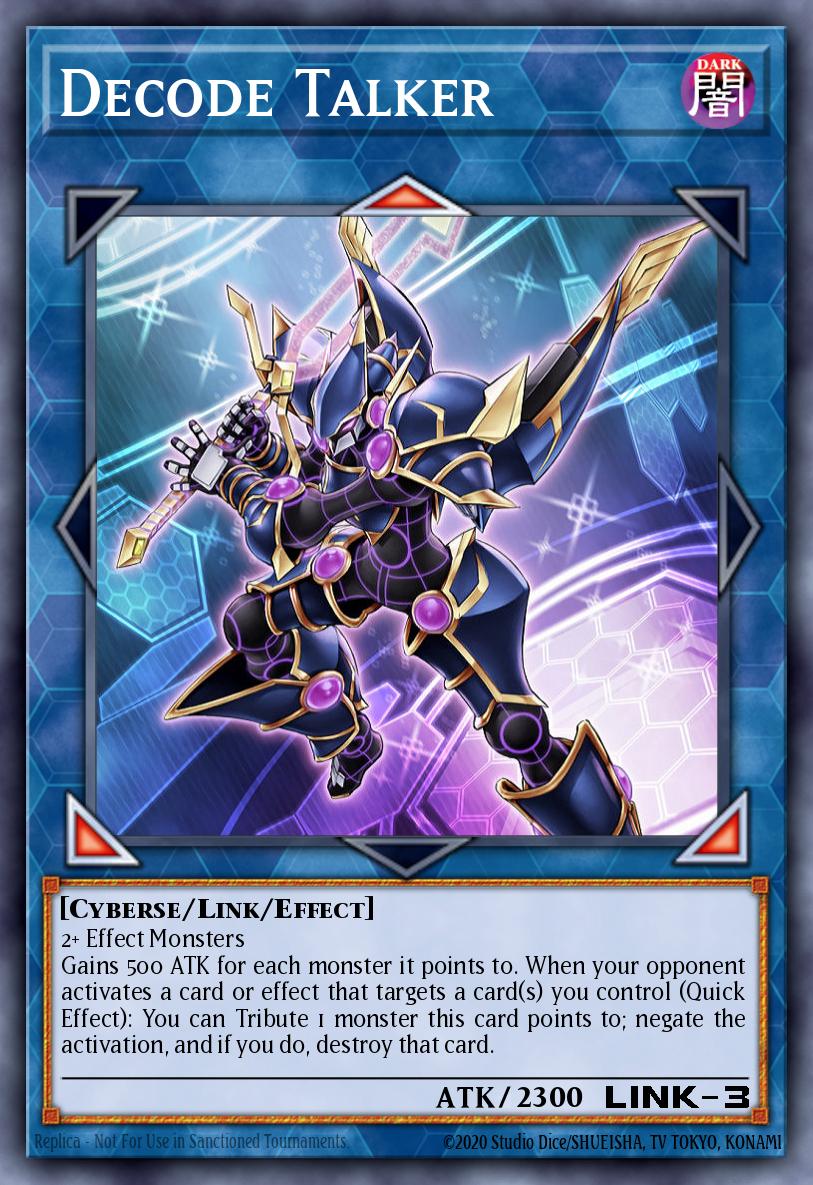
An unoccupied arrow gives you a destination and a future resource. When you leave a second monster there, decide whether it is more useful as tribute for Decode or as a material for a larger Link. If the opponent uses non-targeting removal, look for an answer suited to that effect.
10. Soulburner and the same-name Link Summon
Salamangreat Heatleo requires at least two FIRE Effect Monsters. Its Link Summon can target a card in the opponent’s Spell & Trap Zone and shuffle it into the Deck. If the target can be chained in response, count what still happens on that Chain before deciding the back row is clear.
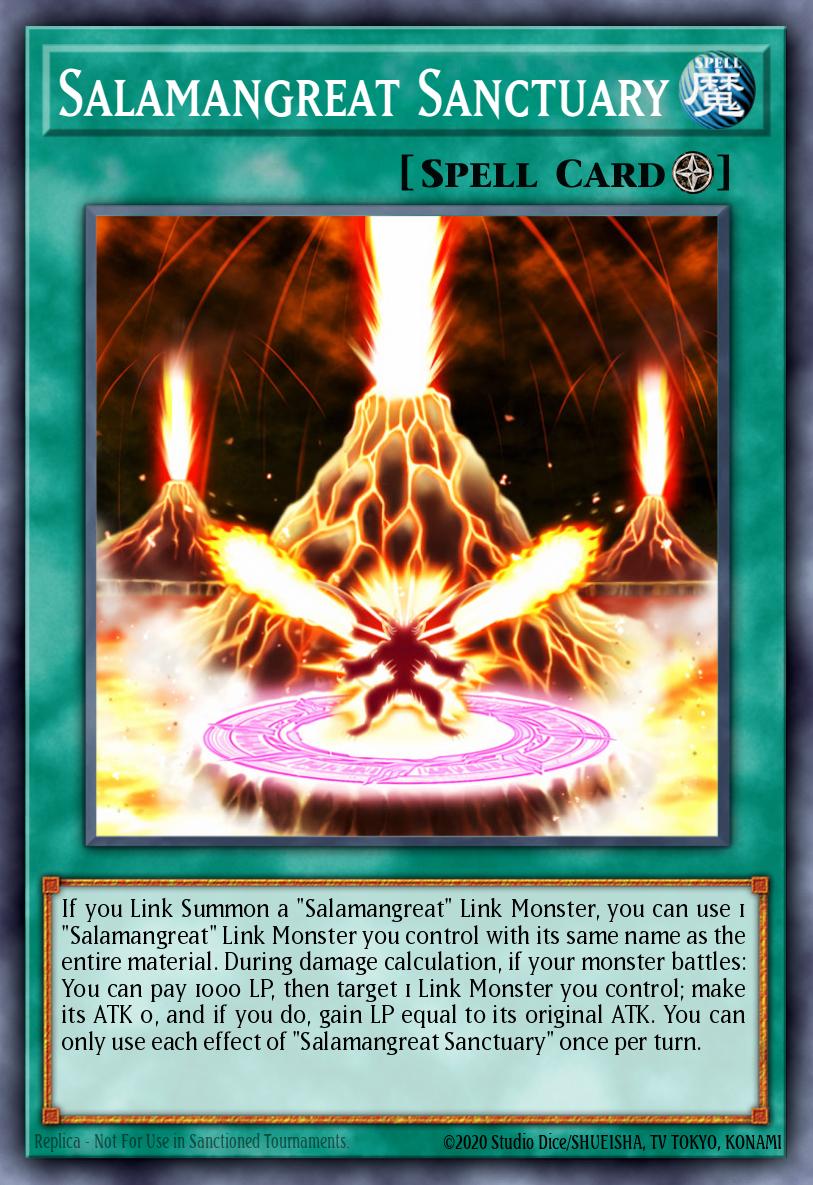
Salamangreat Sanctuary allows a same-name Link Monster to be used as the entire material for an eligible Salamangreat Link Summon. With a second Heatleo available, the new one can use its additional ATK-changing effect under its printed conditions. Ask whether the second summon opens an attack or another removal before spending the Extra Deck slot.

11. Varis and the empty arrow Borreload needs
Borreload Dragon is Link-4 and requires three or more Effect Monsters. If it attacks an opposing monster, its effect at the start of the Damage Step can place that monster in a zone Borreload points to and take control of it. Inspect the open destinations before using every zone to make the summon.
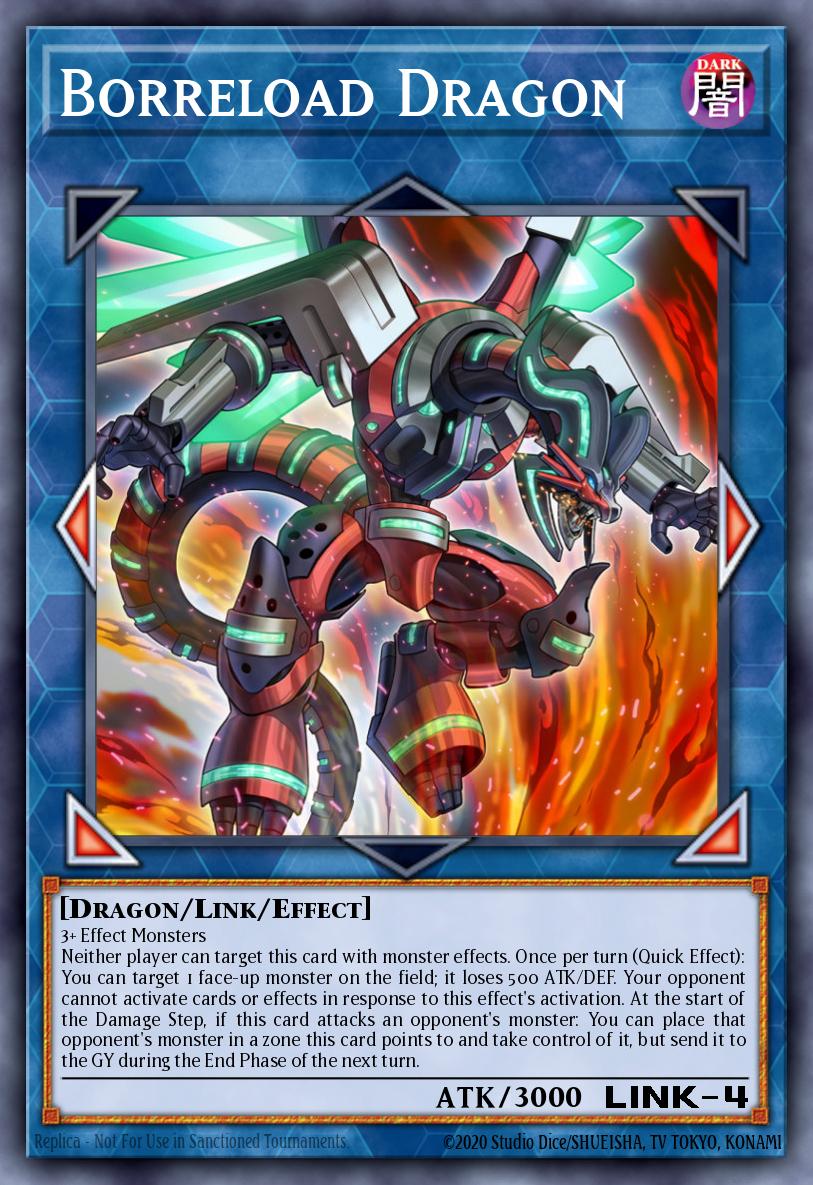
The borrowed monster has a later departure under Borreload’s text. Plan how to use it while you have it and which threat remains after the battle. A flashy Link-4 is worth its materials when the zone and the target actually let that effect change the duel.
12. Blue Angel and Ghost Gal use different timing
Trickstar Candina can search a Trickstar card on its Normal Summon. Pick the card that gives the current hand a useful action. Read the damage value printed by Duel Links for any burn line. Measure the pressure created over the opponent’s next turn as well as the ATK left on your field.

Altergeist Multifaker can follow an eligible Trap activation and use its Special Summon trigger to bring out an Altergeist from the Deck. Its effect has an Altergeist-only Special Summon restriction for the turn. Decide whether the turn will use the Altergeist line or a different Extra Deck route before committing your first special summon.
13. Stage, Gate and the first repeatable Link
If a mission asks for Link Summons, use a first line you can reproduce from cards you already own. Record the result and check the counter in the right world. For a named opponent, look at the Gate listing and key cost before repeating the test.
Character levels and Skills influence what you can build. In your test log, write down whether a card was owned, supplied by the Skill or produced by a separate effect. A Deck Editor check should confirm you can take the same list into the intended mode.
14. Find the actual missing step before investing
After a handful of opening tests, mark whether the hand lacks a first body, a second legal material, an open zone or an Extra Deck target. Each failure asks for a different fix. A new Link-4 does not solve a hand that cannot establish two effect monsters. A flexible extender may help if it stays legal under your Skill and material restrictions.
For a Salamangreat same-name line, count copies you would actually use in one duel before investing in the second. For Code Talker, confirm the arrow orientation and effect you need from the target. Match the card’s current acquisition entry to one of those specific jobs.
15. Seven checks for a Link Deck
Draw the same awkward hand twice. Use one attempt to establish the highest Link Rating available. Use the other to leave a lower-rating monster and a live follow-up. Compare which turn actually survives the opponent’s next action.
- Open VRAINS or record the next mission and selected profile.
- Make a Link-2 and mark where its arrows lead.
- Calculate two different legal material sets for Decode Talker.
- Test a targeted and a non-targeting effect against your Decode board.
- Run a Salamangreat or Borrel turn and note the zone needed after summoning.
- Check one needed card’s current price or reward route in the client.
- Replay the failed first line with one material or placement change.
16. Sources for VRAINS and the Link examples
Konami’s launch announcement and character directory establish the world and story. Link Revolution supplies examples of the original Link pool. The printed material and effect text support the exercises. Use the current in-game field and Skill to check legal destinations. All three new illustrations reference the original Playmaker portrait retained in the cast chapter.