
1. Look for the Graveyard action in the effect
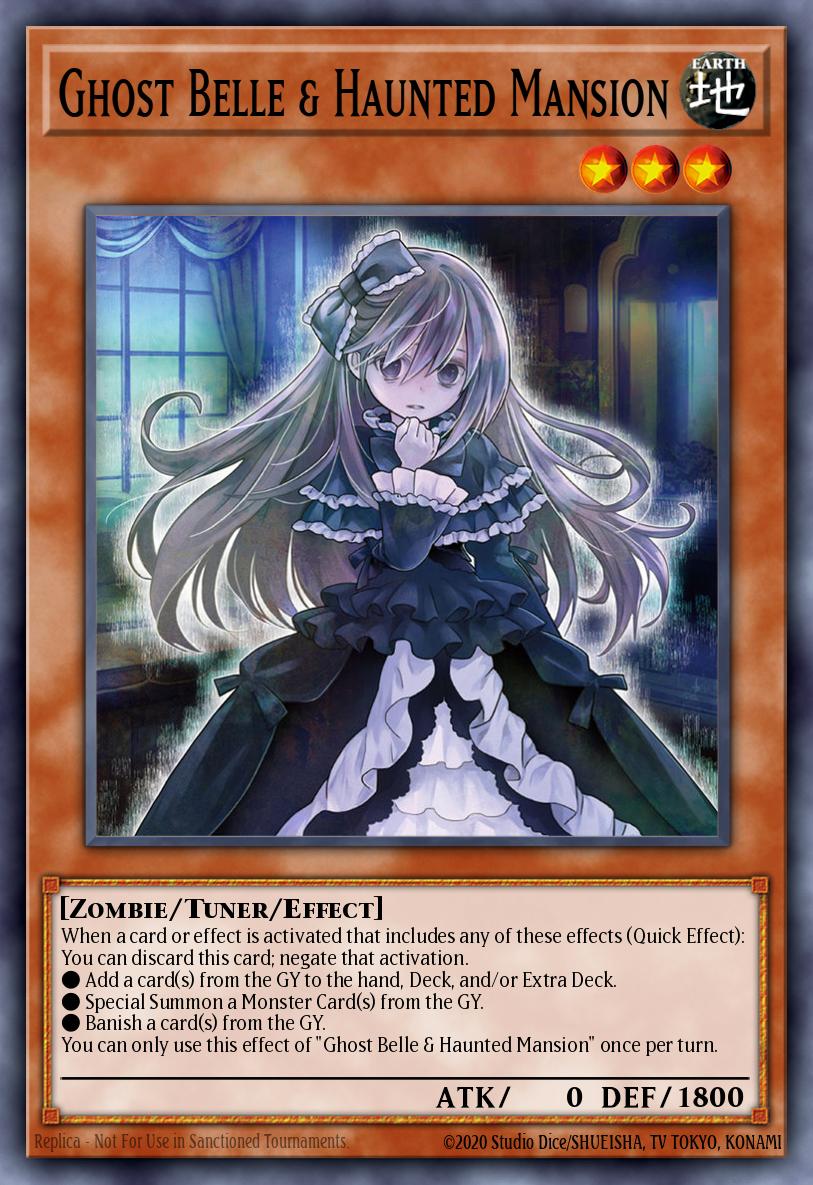
Ghost Belle & Haunted Mansion checks whether an activated effect would return a card from the Graveyard to a hand or deck, Special Summon from there, or banish from there. Discard Belle to negate the activation under its once-per-turn limit. Even an effect activated elsewhere can qualify if it performs one of those actions.
2. Respond directly to a Graveyard revival
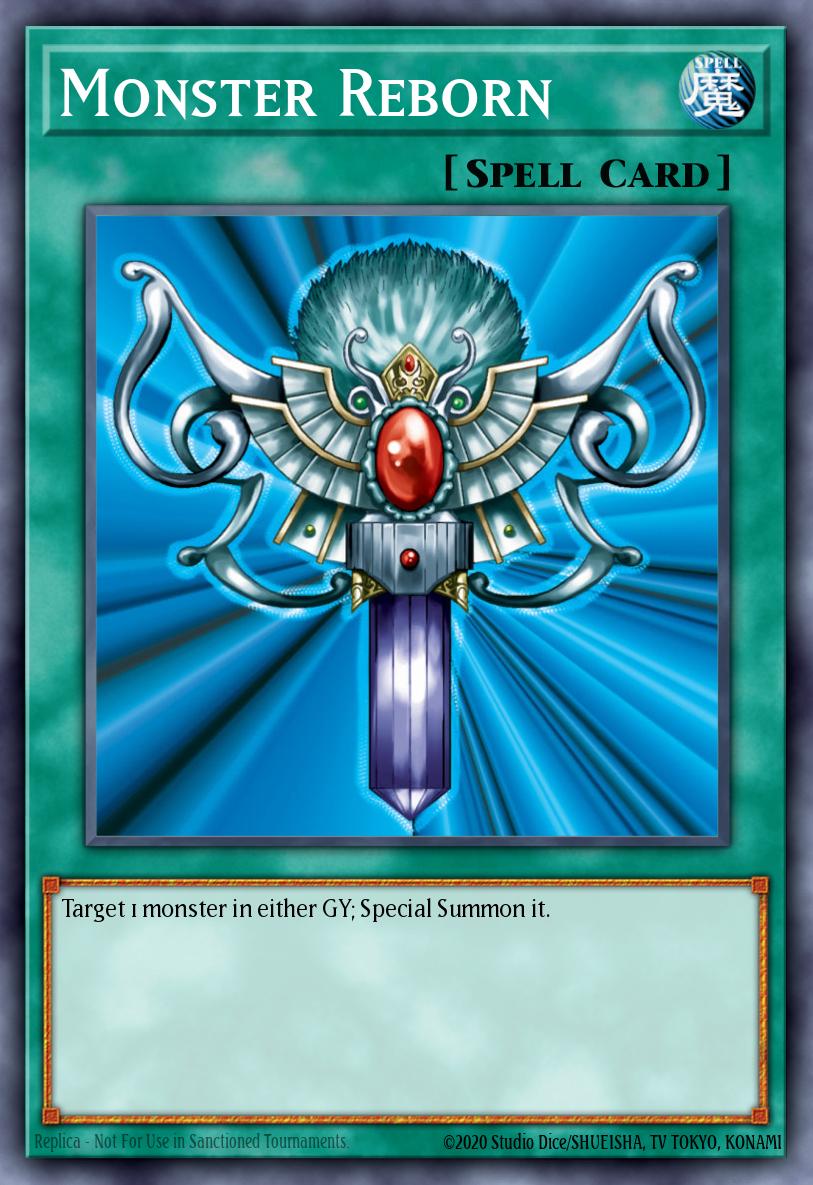
When the opponent activates Monster Reborn, it proposes a Special Summon from a Graveyard and opens a direct response for Belle. A target in your own Graveyard qualifies too. On cards with multiple choices, look at the effect selected for this activation.
| Effect would do this | Belle check |
|---|---|
| Special Summon a Graveyard monster | Direct response to the activation |
| Banish a Graveyard card | Check that banish is part of the effect |
| Activate in the Graveyard to search from the Deck only | Read the Deck action separately |
3. Read past the cost to the effect that resolves
Sometimes the player banishes from the Graveyard as the cost of an effect that does something else. That card has already gone by the time you can respond. Check the part that would resolve for a qualifying action. Negating the activation leaves the cost paid.
4. Recognize Crow’s banish as part of the effect
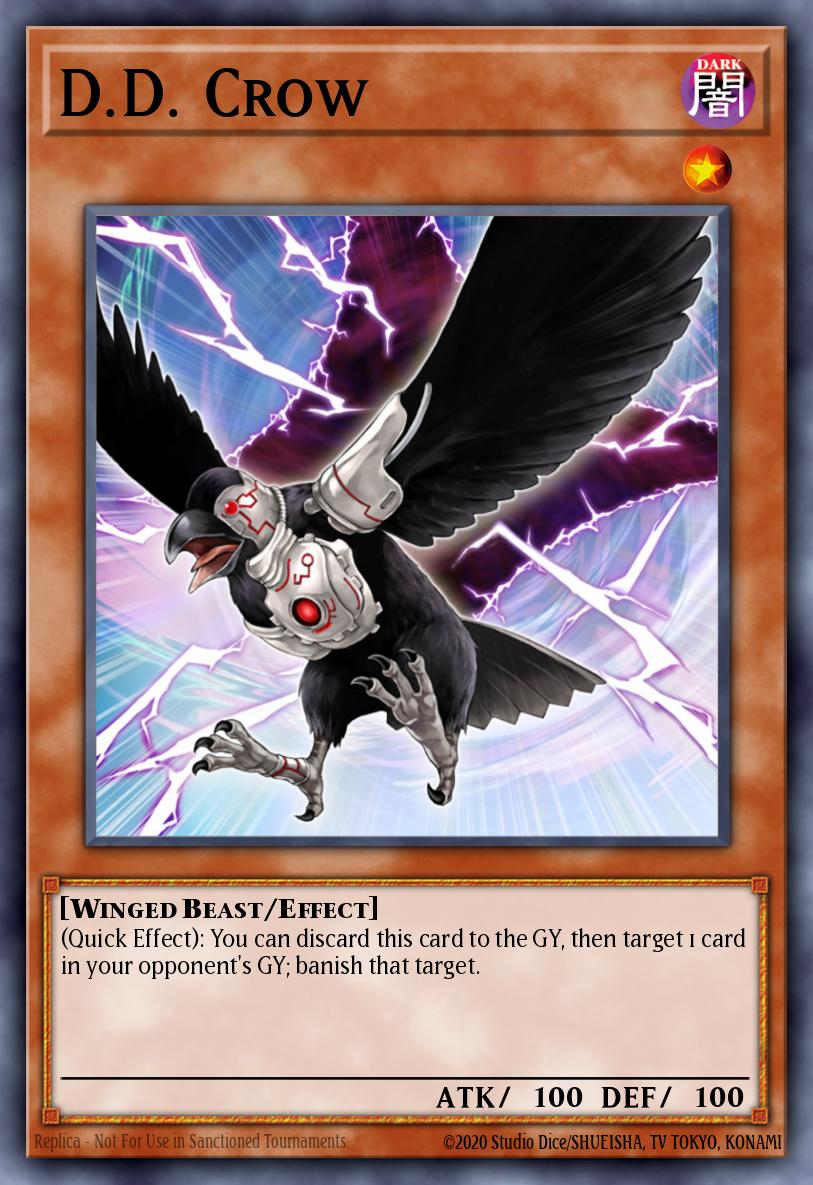
D.D. Crow targeting a card in your Graveyard includes the banish in its activated effect, so Belle can answer in the direct Chain window. If another effect already banished a card to pay its cost, look at what is still waiting to resolve before deciding whether Belle applies.
5. Keep Belle for the effect that restarts the turn
Monster Reborn targeting either Graveyard is a clear practice window. Once you use Belle, its named limit is spent even if the opponent then negates it. In a replay, compare an optional early recovery with the revival the opponent actually needs. Check the format’s legal copy count before changing your list.