1. Use Lancea before the opponent’s required banish
During the opponent’s turn, you can Tribute Artifact Lancea from hand or your face-up field for its Quick Effect. Once it resolves, neither player can banish cards for the remainder of that turn. Find a legal window before the opponent’s next required banish.
2. Check where in the Chain the banish would happen
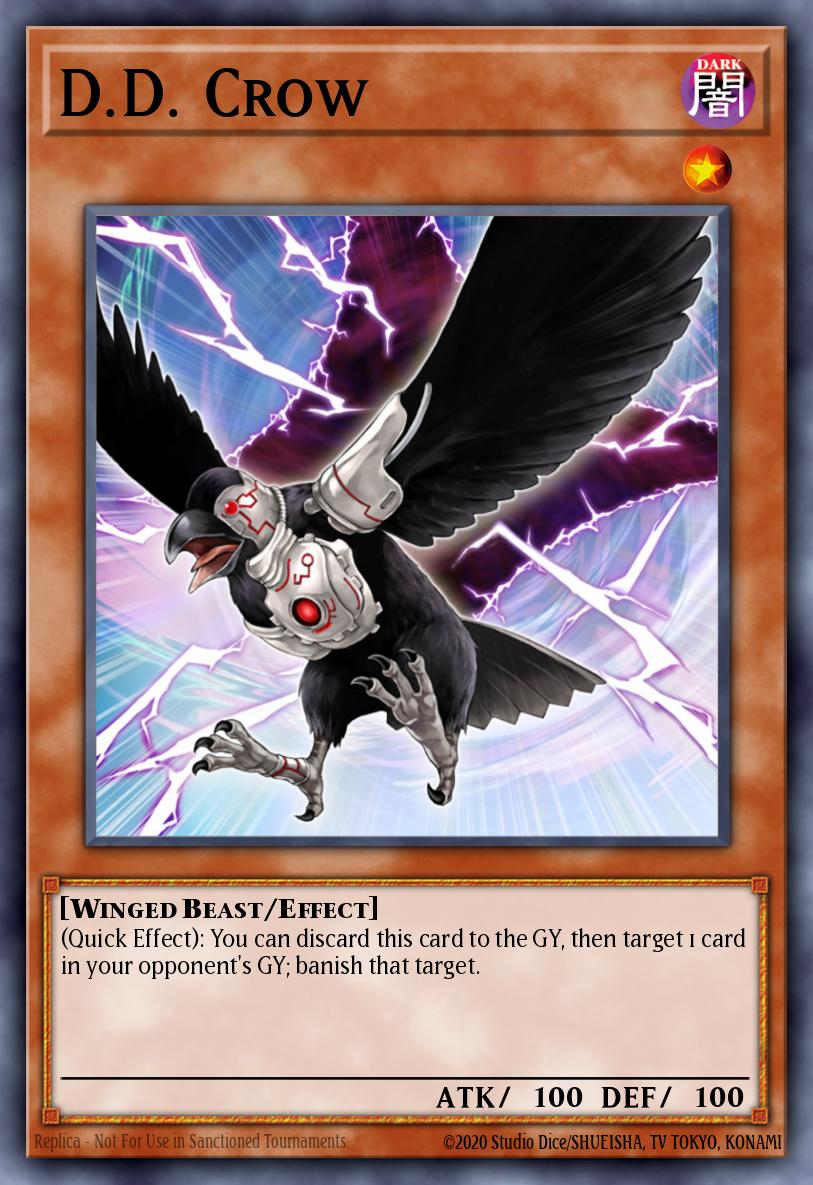
If the turn player activates D.D. Crow at Link 1, they have discarded it and chosen a Graveyard target. Tribute Lancea as Link 2. If it resolves first, Crow cannot banish the target. Any banish already paid as an activation cost happened before Lancea could respond.
| When the card would be banished | What Lancea can change |
|---|---|
| A pending lower Chain Link | Prevent its banish after Lancea resolves |
| An activation cost paid before Lancea | Affects later actions from that point |
| A proposed activation after the restriction | A banish cost is unavailable |
3. Make sure you can spare your own banishes
Lancea also applies to your cards during that opposing turn. If your hand holds Crow, decide whether to use it before Lancea resolves. Look through your planned responses for effects that need a banish, particularly a Special Summon that depends on it.

4. Choose between a Set Lancea and one held in hand
Lancea can be Set from hand to the Spell & Trap Zone as a Spell. If destroyed and sent to the Graveyard while Set in the opponent’s turn, it can Special Summon itself. Once face-up that turn, it can be Tributed at a legal window. From hand its Quick Effect is already available at the right time.
5. Find the last window before the banish they need
In a replay, skip past optional banishes and identify one the opponent needs for a search, recovery or summon. Mark when you can last respond. Then see whether the rest of their hand and field still provide a line after Lancea and use that result when evaluating the slot.