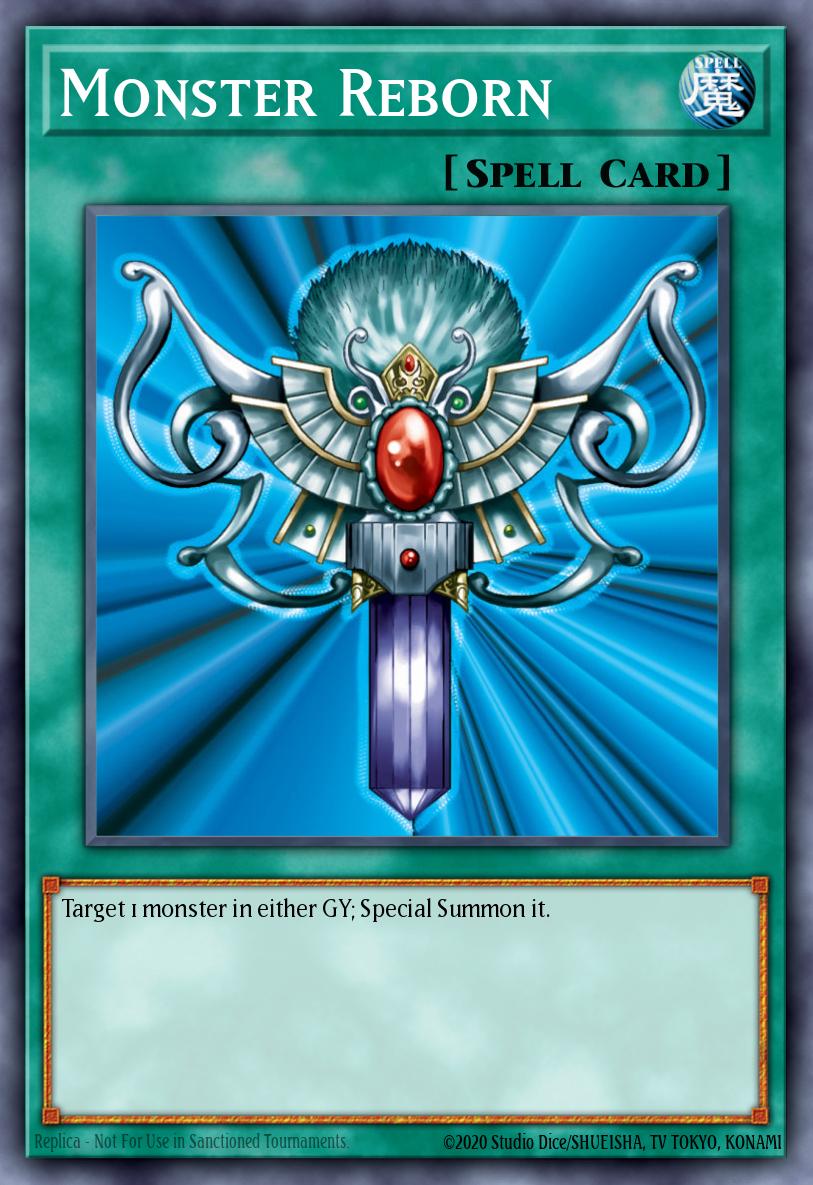
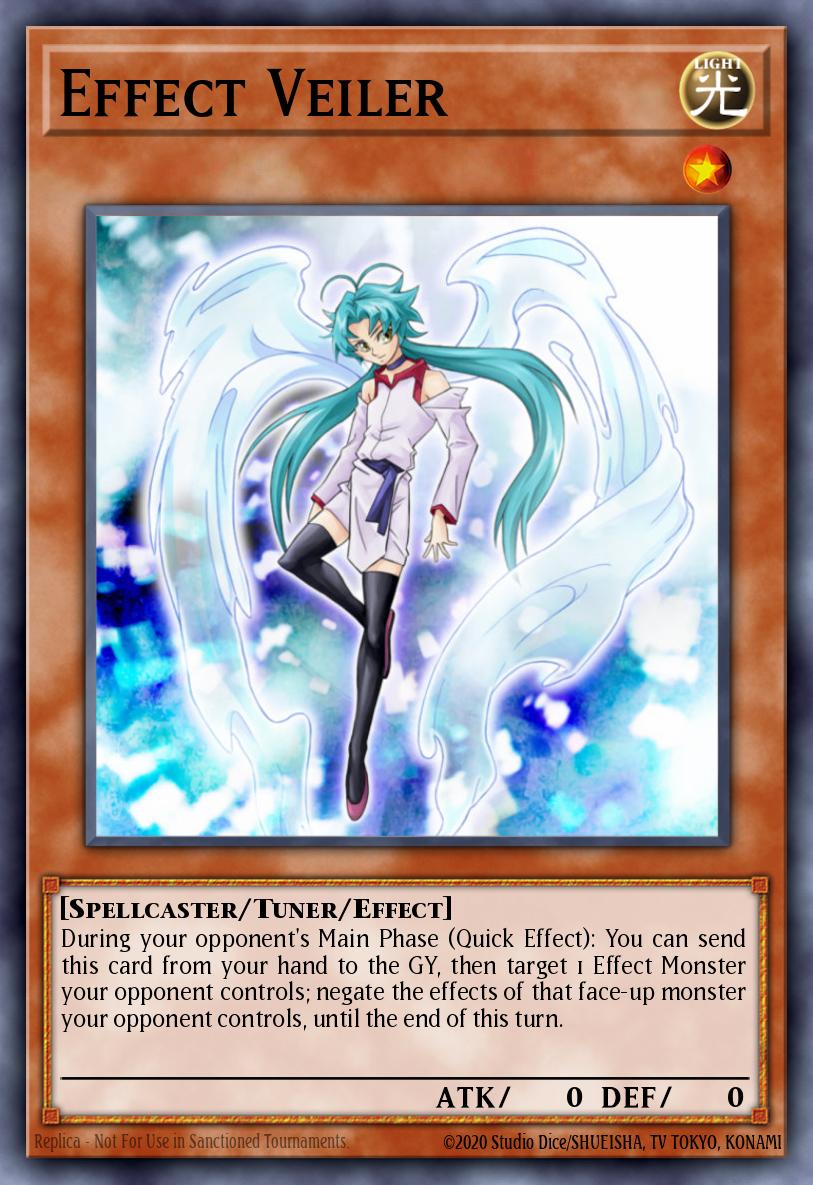
1. Respond to the effect that would Special Summon
Dominus Impulse directly answers an activated card or effect that includes Special Summoning. You can use it from hand if the opponent controls a card. Check the action in the log, since a Special Summon that does not start a Chain gives a different response window.
2. Follow the last activation on the Chain
Monster Reborn would Special Summon from a Graveyard, so its activation can qualify for Impulse. A search that only adds to hand has no summon to stop. If several effects are on the Chain, look at the link you can directly answer in the client.
| Observed action | Impulse check |
|---|---|
| Effect would revive a monster | Check the direct response window |
| Effect only searches a card | Identify an effect that actually includes Special Summoning |
| Summon performed without an activated effect | Check the game’s separate summon timing |
3. Check the Graveyard for the destruction clause
Impulse negates the effect it answers. Its additional destruction checks for a Trap in your Graveyard. At resolution, inspect your Graveyard and locate the source card. The duel log shows which effect was negated and whether the source was destroyed.

4. Check LIGHT, EARTH and WIND before using it from hand
A hand activation blocks you from activating LIGHT, EARTH and WIND monster effects for the rest of the Duel. That includes LIGHT Effect Veiler and eligible effects you wanted to use outside the field, such as a LIGHT in the Graveyard next turn. Check your starters and follow-ups across zones. The hand-activation condition is absent when you use it as a Set Trap.
5. Weigh the interrupted summon against your own follow-up
If the opponent can skip their first revival but needs a later summon for the payoff, consider saving Impulse. Before using it from hand, identify the first restricted effect you will need on your turn. Compare both choices using the same replay position or a practice duel.